Design systems that enable digital products to scale

The Norm, our in-house digital experience agency, builds UX/UI design systems that keep products consistent, accessible, and easy to scale.
Design system challenges we help you solve

1 Reconcile inconsistent design across products

One design system, consistent execution

A shared UI design system keeps every screen and product visually and functionally consistent, no matter which team builds them.

2 Accelerate design-to-development handoff

Components that engineers can build fast

Our UX design systems produce documented, reusable components that engineers can implement quickly, cutting rework between design and code.

3 Improve design system maintenance

Governance keeps the system alive

Clear ownership and update processes keep your design system reliable long after the initial rollout, instead of drifting into inconsistent exceptions.

4 Prevent new products starting from scratch

Design foundations your team can build on

A well-built component library enables new features and products to launch faster by drawing on proven patterns rather than starting from scratch.

How we approach design systems

Built to scale Built to scale

We recognize that your design system needs to scale well beyond the product’s first release.

Documentation with utility Documentation with utility

Clear guidelines and usage rules are established for every component to eliminate guesswork.

Accessible by default Accessible by default

Accessibility should extend a product’s reach and consider usability from every angle.

Design and code, kept in sync Design and code, kept in sync

Component libraries must translate to code, so what designers create matches what gets shipped with minimal translation loss.

The practices behind the outcomes

Coherent Design System

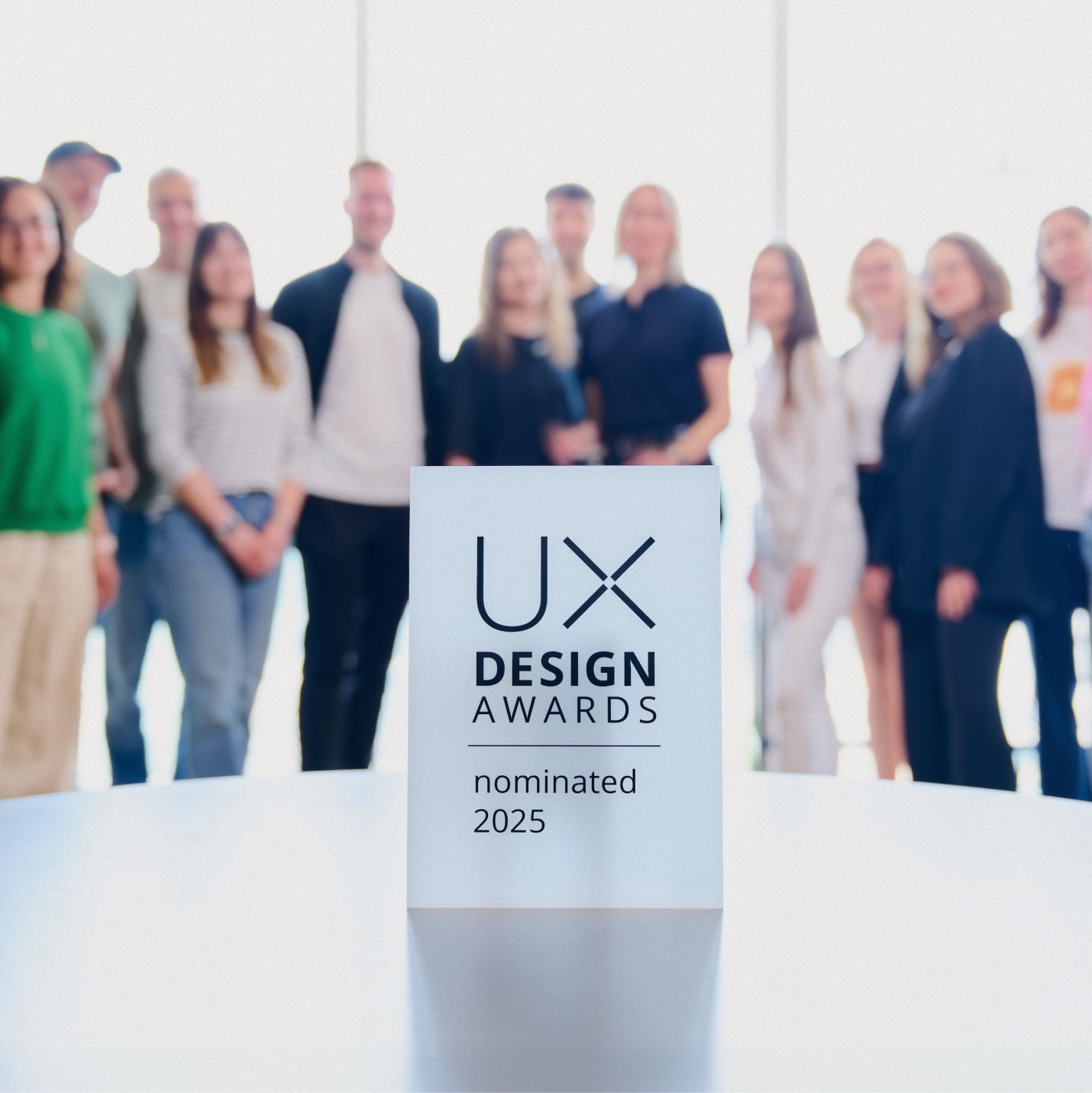
Our proprietary design system can start you off further down the path. Available worldwide. Used by over 5 thousand designers. Nominated for the UX Design Awards.

Design System Strategy

Existing patterns and inconsistencies are evaluated to define the right foundation for your unique design system.

Design System Migration

Our team transitions products from legacy or ad hoc UI patterns onto a unified system.

Component Library Development

We create reusable, tested components that cover your product's core UI patterns and interactions.

Multi-Brand Design & White-Labeling

We factor in design system support for multiple brands or themes from a single component base.

Visual Regression & QA Testing

Our team can test design system components for visual and functional consistency before every release.

Related Services

Explore these additional services from our Digital Experience capability pillar, delivered by our in-house digital agency, The Norm.

Our user research services transform assumptions into validated direction, helping you prioritize features that matter and reduce risk before development.

arrow-forward Explore User Research

We design intuitive, multimodal, and high-performance interfaces that convert users into brand loyalists. Grounded in behavioral data, every screen is built to minimize friction and accelerate adoption.​

arrow-forward Explore UX/UI Visual Design

We turn continuous testing into a competitive advantage by combining analytics, user feedback, and predictive modeling to identify friction points early, run rapid experiments, and iterate toward seamless experiences.​

arrow-forward Explore Usability Testing

Built to pivot without losing velocity

We understand that in a high-growth business, pivots are inevitable. We’re built to absorb the impact and keep you moving forward.
arrow-forward Partner with us

norm-lrg-logo

The Norm is the digital experience agency within Coherent Solutions, working with product leaders at clients across industries to design user experiences that are backed by unparalleled global engineering expertise.

Extraordinary is our norm.

Case Studies
Coherent Design System_ Our globally recognized designer-friendly component library

Technology & SaaS

Coherent Design System: Our globally recognized designer-friendly component library

Saving our team and our clients countless hours of work while delivering high-quality, standardized results.
5,000+
Users worldwide
160+
Design components
1,200
States per component

Drop us a line to meet our design team

Full component docs, interaction specs, dev handoff call. If you need the build, we have ~2,000 engineers one conversation away.

Relevant
Questions

Even small teams benefit from a lightweight design system, since it prevents UX/UI inconsistency from creeping in early and becoming expensive to unwind later. The scope can start minimal, covering just core design components, and expand as the product grows.

A component library is a collection of reusable UI elements, like buttons or form fields. A design system goes further, pairing those components with documented rules, accessibility standards, and governance for how and when to use them.


Design components that repeat across multiple products or screens, like buttons, inputs, and UI navigation patterns, belong in the design system. One-off layouts or highly specific content sections are usually better left custom, since forcing them into the system can add unnecessary complexity.

Design system adoption often fails when teams aren't trained on how to use the system, or when using it takes more effort than working around it. Successful adoption usually requires clear documentation, accessible tooling, and a rollout plan, not just a component library sitting unused.

Design tokens and shared visual language remain consistent across platforms, while individual components are implemented natively to meet each platform's technical requirements. This approach keeps the experience unified without forcing an identical technical implementation everywhere.

The initial build establishes the foundational components, tokens, and documentation. Ongoing maintenance involves updating components as needs evolve, fixing inconsistencies, and managing versioning, which is often a larger and more continuous investment than the original build.